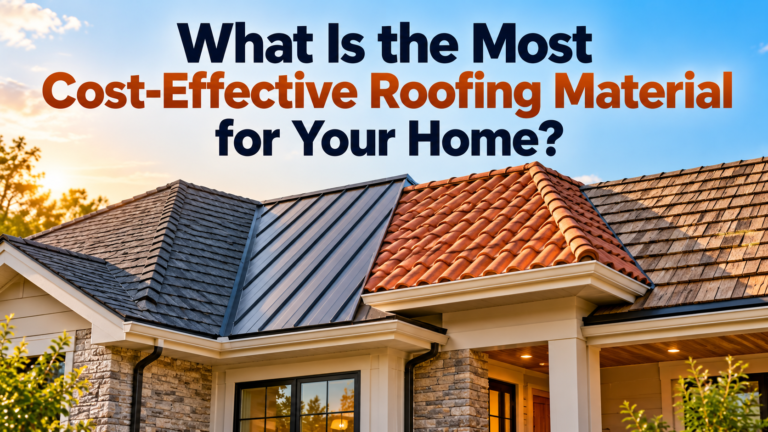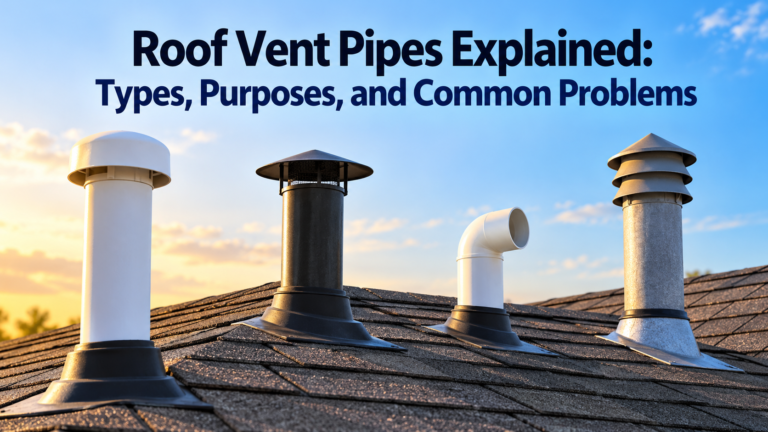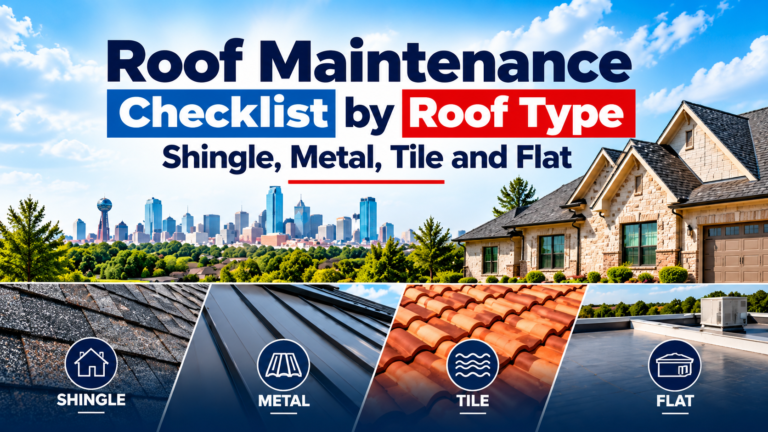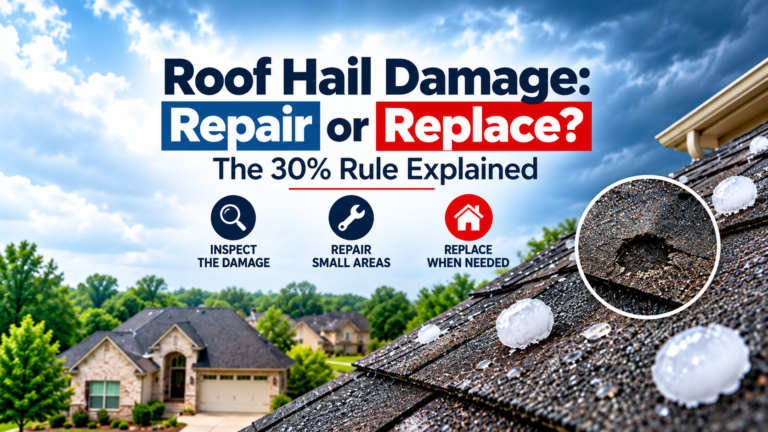
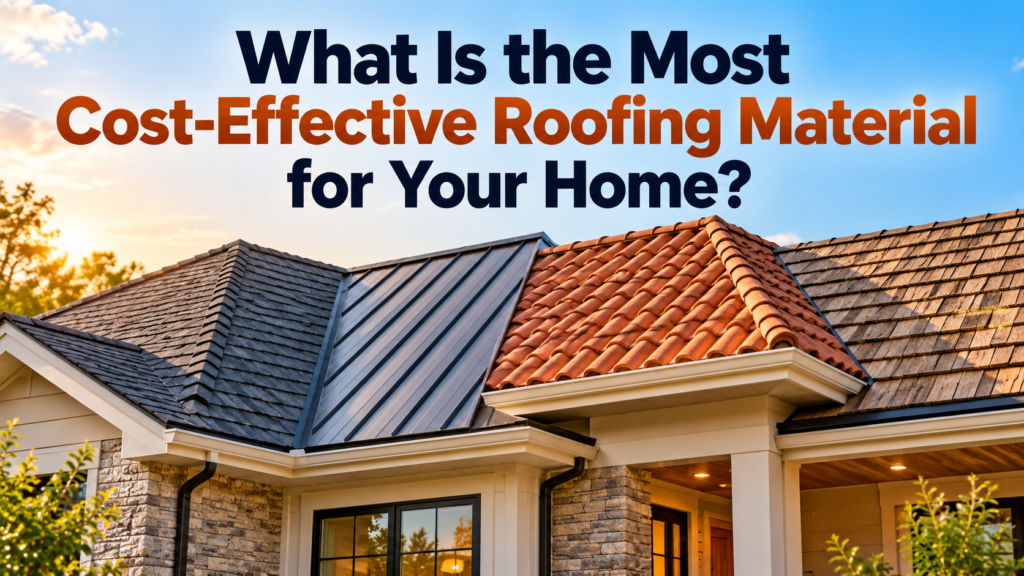
Is the cheapest roof really the one that saves you the most money? For most Dallas-Fort Worth homes, architectural shingles offer a good balance of price and roof life.
The lowest quote can feel reassuring when you need a roof soon. But if that roof needs more repairs or an early replacement, your savings may disappear.
If you live in hail-prone areas, compare Class 4 architectural shingles with standard shingles and metal. Class 4 may offer better value if your insurer provides a discount. Metal deserves a closer look if you plan to stay 20 years or more.
The Insurance Information Institute reports 902 major hail events in Texas during 2025, more than twice the total in any other state.
How to Compare Cost-Effective Roofing Materials
Cost effective roofing means looking at the whole job, not just the price of shingles. Before you choose, find out what the quote covers and what you may pay later.
A useful first step is to calculate cost per year of service life. Divide the installed price by the expected years of use. For example, a $15,000 roof that lasts 25 years costs $600 per year before repairs or savings.
Compare these costs:
- Initial spending: Your upfront cost includes materials, labor and the work needed to remove your old roof.
- Years of protection: The expected lifespan depends on the product, how crews install it, attic airflow and storms. A warranty does not promise that your roof will last that long.
- Costs and savings later: Repairs, insurance credits and changes in cooling bills all affect your total cost of ownership.
This broader view helps you compare lifecycle cost. If you finance the project, include interest and fees too.
Roofing Material Costs and Lifespan Comparison
The table uses a 2,500 ft² roof area, which may differ from your home’s floor area. These 2026 planning ranges show how to compare costs. Get local quotes before you set a budget.
For context, GAF’s price notice announced a 6% to 9% increase on shingles and roofing accessories from June 1, 2026. The increase applies to products, not the whole roofing bill.
| Material | Installed Cost per ft² | Assumed Service Life | Approx. Annual Cost |
| 3-tab shingles | $4.00 – $5.50 | 12 – 18 years | $792 |
| Architectural shingles | $4.75 – $7.00 | 20 – 25 years | $653 |
| Class 4 architectural shingles | $5.75 – $8.25 | 22 – 28 years | $700 |
| R-panel metal | $7.00 – $11.00 | 30 – 40 years | $643 |
| Stone-coated steel | $11.00 – $16.00 | 40 – 50 years | $750 |
| Standing seam metal | $12.00 – $20.00 | 40 – 60 years | $800 |
| Concrete tile | $11.00 – $18.00 | 40 – 50 years | $806 |
Each yearly cost uses the middle of the price and roof life ranges. It leaves out repairs, loan costs, insurance savings and future price changes. Also, a storm can shorten the roof life shown here.
Compare installed cost per ft² only when quotes cover the same work.
To compare initial spending, review the cheapest roofing options before choosing. Long-term value may point to a different choice.
Asphalt Shingles for Affordable Residential Roofing
Asphalt shingles suit many homes because local crews know how to install and repair them. These affordable roofing materials come at several price levels. Compare strength and looks within your budget.
3-Tab, Architectural and Luxury Shingles
- Basic shingles: 3-tab shingles often cost less, but their wind ratings and local availability vary. If matching shingles become hard to find, a small repair may become more difficult.
- Layered shingles: Architectural shingles, also called dimensional shingles, add depth and curb appeal. Many products offer stronger wind resistance than basic shingles when crews install them correctly.
- Designer shingles: Luxury shingles can look like slate or wood shake. If you want that look, the higher price may suit your plans. Still, check the product’s ratings and warranty.
Cheap roofing materials can suit a limited budget, provided the complete roof system meets your home’s needs.
Class 4 Shingles and Insurance Savings
Class 4 shingles meet the highest impact classification under UL 2218. However, hail can still damage the roof, and the rating does not promise more years of use.
For example, granule loss can occur even when a shingle passes. IBHS research explains this distinction.
The Texas Department of Insurance says Class 4 receives the highest premium credit within its classification system. Still, each insurer decides which roofs qualify, how much you save and which forms you need.
Before you choose impact-resistant roofing, find out how much your agent says you could save. If the discount is small, it may not cover the upgrade price.
At Solutions Contracting, we provide PC068 documentation for qualifying installations. TWIA requires this form for its credit, while other insurers may request their own form. Confirm what your agent needs for your impact-rated roof before installation.
Metal Roofing for Long-Term Value
Metal often costs more initially, but a well-installed roof may serve your home for decades. Unlike asphalt shingles, bare metal panels do not suffer asphalt granule loss, although coatings and fasteners still need care.
R-Panel, Standing Seam and Stone-Coated Steel
- R-panel: These exposed-fastener panels are among the more economical roofing options in metal. Since screws and washers face the weather, check them as often as the maker advises. Do not wait 15 to 20 years for the first check.
- Standing seam: Standing seam metal roofing conceals fasteners beneath raised seams. This design reduces exposed fastening points, but flashing and installation still affect leak protection.
- Coated steel: Stone-coated steel offers a tile or shake appearance with less weight than traditional tile. Its textured surface can make small hail dents less visible.
If hail concerns you, compare test ratings and metal thickness. Also, check whether your policy covers dents that affect looks alone. A metal roof may show dents without leaking.
For energy savings, compare roof finishes too. The Department of Energy explains that reflective roof products can reduce cooling demand in hot climates. Your insulation and home design affect the savings too.
Tile, Slate and Synthetic Roofing Costs
These roofs can make sense if you plan to keep your home for decades. However, you need to know what your roof can support and what repairs may cost.
- Clay and concrete tile: Concrete tile roofing handles heat well. Choose a roof assembly with a Class A fire rating, and confirm whether its weight requires structural reinforcement.
- Natural and synthetic slate: Natural slate can last 100 years or more with suitable installation and care. Synthetic slate offers a similar appearance at a lower weight, but lifespan varies by product.
- Wood shake: This material needs regular maintenance. If you prefer it, check fire requirements, treatment needs and insurance acceptance before committing.
Since tile adds weight, Solutions Contracting reviews the roof structure before recommending it. If you need an engineer’s assessment, include that work in the budget first.
Low Cost Roofing Materials for Low-Slope Roofs
The cheapest roofing material for house additions depends on roof slope and the space below it. A shed and a bedroom addition may need different systems.
Rolled roofing is an inexpensive roofing material for some small projects, often with an estimated 5 to 10 years of use. However, the product’s slope limits and installation rules decide where it belongs. GAF’s residential roll roofing guidance includes porches, garages and sheds at approved slopes.
- Modified bitumen and TPO: Both can suit low-slope sections when the roof design allows them. White TPO can help reflect sunlight.
- EPDM and PVC: These membranes provide other inexpensive roofing options to compare. Insulation, drainage and installation affect their price.
- Roof overlays: Adding shingles over an existing layer can reduce removal costs. However, it can hide damaged decking, and local rules or product instructions may limit it.
For inexpensive roofing, match the system to the roof first. Saving money on the wrong material can lead to leaks beneath the finished work.
Roof Replacement Costs Beyond the Material
Even the cheapest roofing materials need sound decking, proper flashing and skilled installation. Labor costs also vary by project.
Removal, Decking and Ventilation
- Old roof removal: Tear-off and disposal depend on roof layers, access and local charges. If a quote lists $1 to $3 per ft², confirm whether that amount is already included.
- Deck condition: Decking repairs may become necessary after removal reveals soft or rotted wood. Get the repair rate and approval process in writing.
- Weather protection: Synthetic underlayment provides protection beneath shingles. Ice and water shield protects vulnerable areas where the design, code or manufacturer requires it.
- Attic ventilation: Balanced airflow needs suitable intake and exhaust vents. If either side falls short, heat and moisture can build up.
At Solutions Contracting, our replacement process includes full tear-off and a decking inspection. Our roofing contractors in Fort Worth and across DFW explain the estimate with you. If hidden damage changes the work, confirm the added cost before repairs proceed.
Roofing Warranties and Insurance Coverage
A low bid needs a closer look, but the price alone does not tell you how well crews work. Before you decide, compare what they will install, how they will do it and what the warranty covers.
- Workmanship protection: A workmanship warranty covers the installation faults listed in its terms. Check how long it lasts, what it leaves out and who handles claims.
- Product protection: A manufacturer warranty covers the product defects listed in its terms. If crews install the roof poorly, or attic airflow falls short, those terms may limit your claim.
- Insurance protection: TDI notes that many policies reduce roof coverage based on age and materials. Your wind and hail deductible may also exceed other deductibles.
If a storm damages only part of the roof, your policy may not pay for a complete replacement.
Choosing Roofing for Budget, Resale and Long-Term Use
The most cost-effective roofing material depends on how long you expect to stay. Standing seam costs more, so compare both over the same period.
- Selling within 5 to 10 years: Architectural shingles can keep spending manageable while improving appearance. Resale value still depends on your local market.
- Staying 15 years or more: Compare Class 4 and metal using actual quotes and confirmed insurance savings. Neither automatically delivers the lowest lifetime cost.
- Following HOA rules: The Texas Property Code protects qualifying improved shingles that resemble approved shingles. Check its appearance requirements and your HOA process before ordering.
- Managing a tight budget: Roof financing can spread payments, but interest may increase your total spending.
Solutions Contracting offers financing support. If you want zero-down financing plans, confirm current availability and lender approval. Also, request the lifetime transferable warranty terms in writing, including eligible roofs, exclusions and transfer requirements.
Roof Replacement Planning in DFW
A roof should fit your budget today and protect your home in the years ahead. Standard architectural shingles offer a useful starting point, while Class 4 and metal deserve comparison if storm protection and long-term ownership matter most.
As a DFW roofing company with more than 10 years of local experience, Solutions Contracting offers free roof inspections. We explain the materials, project costs and warranty terms so you can choose with confidence.
If your roof shows signs of wear, contact us for an itemized estimate for roof replacement in DFW. Call 682-469-9519 to discuss your roof and the next steps.
Frequently Asked Questions
1. What Is the Cheapest Roofing Material for a House?
Rolled roofing is often the least expensive roofing material for suitable small structures. For many pitched homes, 3-tab shingles cost less initially, although local availability varies. Compare the full roof cost before choosing.
2. Is a Metal Roof Worth the Cost in Texas?
It can be if you stay 20 years or more. Compare installation, maintenance and possible replacement costs over that period. Solutions Contracting installs standing seam and stone-coated steel, but hail can still cause cosmetic dents.
3. Do Class 4 Shingles Lower Insurance Rates in Texas?
Some insurers offer a credit, with amounts and requirements varying by company. Solutions Contracting provides PC068 for qualifying installations. Check whether your insurer accepts it or requires another form before counting on savings.
4. Which Cost-Effective Roofing Materials Handle Texas Hail Best?
Compare tested Class 4 shingles and impact-rated metal products. Check product ratings, since tile and slate can also crack. Solutions Contracting can help you compare suitable options within your budget.
5. What Is the 25% Rule for Roofing?
Florida’s 25% rule concerns work on more than 25% of a roof or roof section within 12 months, with exceptions for roofs that meet the 2007 Florida code or later editions. Texas has no equivalent statewide percentage trigger. Local building rules govern the work; your policy governs payment.