Are you wondering what really happens after a major storm tears through your neighborhood in Arlington, TX? According to the National Oceanic and Atmospheric Administration (NOAA), Texas has experienced 190 confirmed billion-dollar weather disasters from 1980 to 2024.
Tarrant County ranks as the 3rd most at-risk county in the entire United States for hail damage, and North Texas loses between $59 million to $103 million every single year from storm-related property damage. That puts Arlington homeowners directly in the path of repeated roof damage.
Most roofing contractors in Arlington follow a clear, step-by-step process to get your roof back to safe condition after severe weather. From the initial inspection to the final quality check, this post walks you through exactly how that process works, what to expect at each stage, and how to protect your home and your wallet during storm season.
What Counts as Storm Damage to a Roof in Arlington, TX
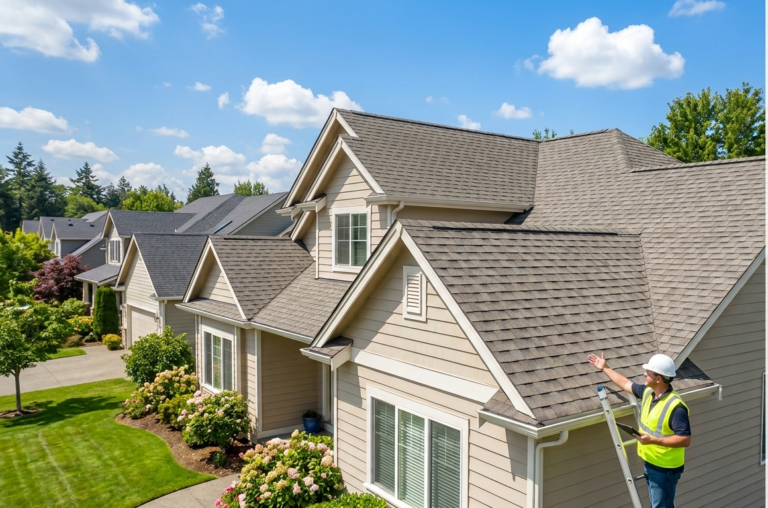
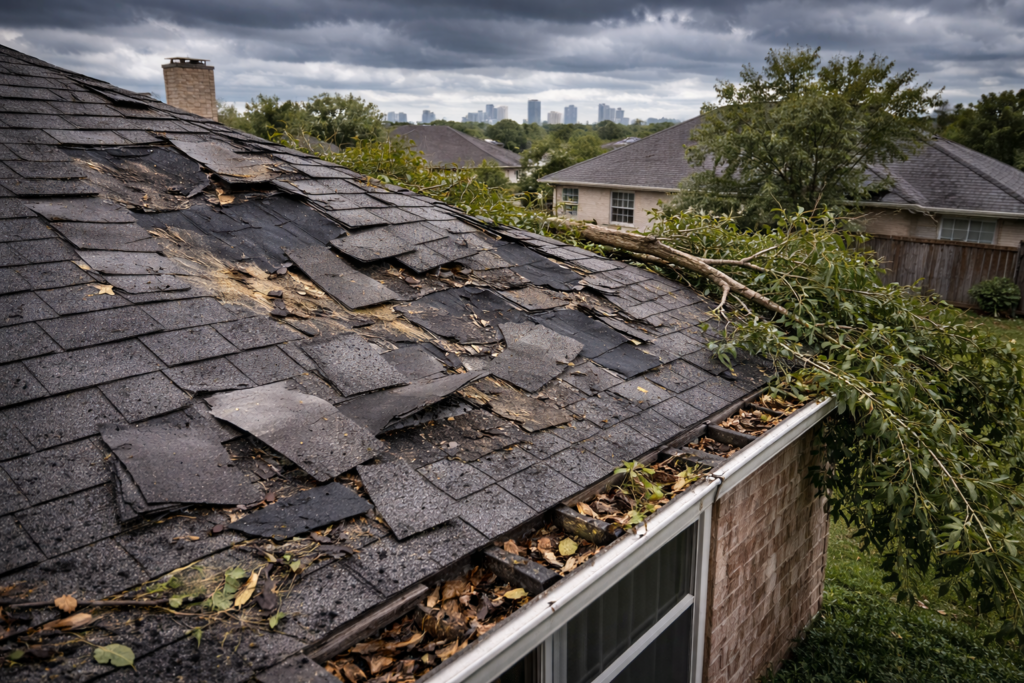
Storm damage is not always obvious from the ground. Most homeowners only notice a problem once water starts dripping through the ceiling. A professional roofing company Arlington TX will look for issues that are easy to miss.
- Hail dents on asphalt shingles that crack the surface and expose the underlayment beneath.
- Missing or lifted shingles caused by wind speeds that can exceed 70 mph in North Texas thunderstorms.
- Granule loss from shingles, which shows up as dark grit collecting in your gutters.
- Cracked or displaced flashing around chimneys, skylights, and vent pipes.
- Water stains in the attic or on interior ceilings that signal an active leak.
- Damaged gutter systems that pull away from the fascia board during heavy wind events.
Many of these signs only become visible during a close-up inspection. Waiting too long to address them can lead to mold growth, wood rot, and structural problems that cost thousands more to fix. You can also read about common roofing problems and expert solutions to understand what to watch for between storms.
How Roofing Contractors in Arlington Inspect Storm Damage
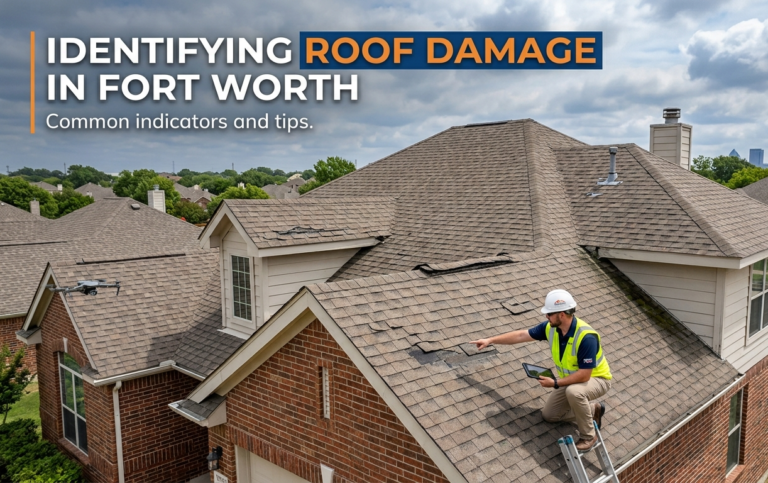
The inspection is the most critical step. Experienced roofing contractors in Arlington use a combination of ground-level checks and roof-level assessments to document every detail. Some teams, including ours at Solutions Contracting, use drone surveys to safely map damage across the entire roof without putting anyone at risk on an unstable surface.
Here is what a proper post-storm inspection covers:
- A full exterior walk around the property to check for fallen debris, downed tree limbs, and visible shingle displacement.
- Roof-level examination of each section, including valleys, ridges, and edges where wind damage is most common.
- Inspection of all penetration points such as plumbing vents, exhaust pipes, and skylight seals.
- Attic inspection for moisture, wet insulation, or daylight showing through the decking.
- Detailed photo documentation of every damaged area for your records and your insurance claim.
A thorough inspection usually takes 45 minutes to 2 hours depending on the size and pitch of your roof. The report you receive should include photos, a written summary, and a recommended repair plan. Learn more about what our routine inspections cover for both residential and commercial properties.
The Step-by-Step Storm Damage Repair Process
Once the inspection is complete, a qualified roofing company Arlington TX moves into the repair phase. This process varies slightly depending on the type and extent of the damage, but the general timeline looks like this.
| Stage | What Happens | Typical Timeline |
| Emergency Tarping | Damaged sections get covered with durable tarps to stop water from entering | Same day or within 24 hours |
| Insurance Coordination | The contractor documents findings and submits them to your insurer | 1 to 3 days after inspection |
| Material Selection | Replacement shingles, flashing, or underlayment are matched and ordered | 2 to 5 days |
| Repair or Replacement | Crew removes damaged materials, inspects decking, and installs new components | 1 to 3 days for repairs |
| Final Quality Check | A walkthrough inspection confirms every repair meets standards | Same day as completion |
During the repair phase, crews remove loose nails and debris before laying down fresh underlayment. Sealants go around all penetration points like pipes and chimneys. Many contractors test completed repairs by simulating water flow to confirm there are no leaks before closing out the job. For urgent situations, our emergency storm response team is available 24/7 across the Dallas-Fort Worth area.
How Insurance Claims Work After Storm Damage
Filing an insurance claim after roof storm damage can feel overwhelming. In Texas, most homeowners insurance policies cover storm and hail damage, but there are deadlines and documentation requirements you need to follow.
- File your claim as soon as possible after the storm. Most Texas insurers expect notification within a reasonable time frame, and delays can complicate your case.
- Your roofing contractor should meet with the insurance adjuster on-site to walk through the documented damage together.
- Keep receipts for any emergency tarping or temporary repairs, because those costs are typically covered under your policy.
- Under Texas law (HB 2102), no contractor can legally waive your insurance deductible, so be cautious of anyone who offers that.
A reliable roofing company Arlington TX will handle the paperwork, communicate directly with your adjuster, and make sure nothing falls through the cracks. Solutions Contracting provides full insurance claims assistance, working with adjusters to get fair results and reduce your out-of-pocket costs.
What Types of Roofing Materials Hold Up Best Against Storms
Not every roofing material performs the same in severe weather. Arlington sits in an area where hail, high winds, and sudden temperature swings are all common threats. Choosing the right material during a repair or replacement makes a real difference.
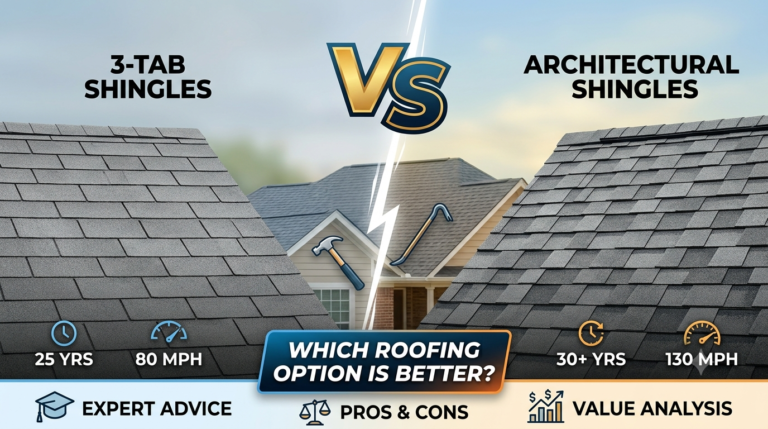
- Impact-resistant asphalt shingles (Class 4 rated) absorb hail hits without cracking and can lower your insurance premium.
- Stone coated steel roofing offers superior durability and weather resistance, standing up to wind speeds over 120 mph.
- Metal standing seam panels lock together tightly and resist both wind uplift and hail penetration.
- Tile and slate options provide long-term performance but require proper structural support due to their weight.
We specialize in stone coated steel and designer roofing systems that give Arlington homes long-lasting protection against repeated storm cycles. You can explore all available options on our cheapest roofing materials guide to compare costs and durability side by side.
When Repairs Are Not Enough and a Full Replacement is Needed
Sometimes the damage goes beyond what a simple patch can fix. If more than 25% to 30% of your roof surface is affected, or if the roof decking underneath shows signs of rot or warping, a full roof replacement is the smarter investment.
Roofing contractors in Arlington evaluate this based on the age of your current roof, the extent of visible and hidden damage, and the overall condition of the structure.
A roof that is already 20 years old with widespread hail damage will likely need a complete replacement rather than repeated spot repairs that add up over time. If you are unsure about the lifespan of your current roof, our guide on how long roofs last breaks down every material type.
Protect Your Arlington Home Before the Next Storm Hits
Storm damage is not a question of “if” in Arlington. It is a question of “when.” Tarrant County faces over 3,000 hail events annually in the broader Fort Worth region, and every season brings new risks. The best thing you can do right now is schedule a professional roof inspection before the next storm rolls in.
Catching small problems early saves you money, extends your roof’s life, and keeps your family safe. Solutions Contracting offers free property inspections within 24 hours, 24/7 emergency storm response, and complete roof repair services backed by over 10 years of quality workmanship. Call us today at 682-469-9519 or visit our free estimate page to get started.
Frequently Asked Questions
How long do I have to file a roof damage claim after a storm in Texas?
Most Texas homeowners insurance policies allow up to one year to file a storm damage claim. However, filing within the first 30 days gives you the strongest case. Delays make it harder to prove the storm caused the damage, and your insurer may question the timeline.
Does homeowners insurance cover all types of storm damage to a roof?
Standard homeowners policies in Texas typically cover hail, wind, and storm-related roof damage. However, flood damage usually requires a separate policy. Your coverage depends on your specific plan, deductible, and whether your roof was maintained properly before the storm.
How can I tell if my roof has hail damage that I cannot see from the ground?
Hail damage often hides in plain sight. Look for granules collecting in gutters, soft spots on shingles, and small circular dents on metal flashing or vents. A professional roof inspection with close-up photos or drone imaging will catch damage that is impossible to spot from ground level.
How long does a storm damage roof repair take in Arlington?
Most storm damage repairs in Arlington take between 1 to 3 days once materials are delivered. Emergency tarping happens within 24 hours of the call. The full process, including insurance coordination and material ordering, typically wraps up within 2 to 3 weeks.
Should I choose repair or full roof replacement after major storm damage?
If damage covers less than 25% of your roof and the decking is still solid, repairs are usually sufficient. If your roof is over 20 years old or the damage is widespread, replacement gives you better long-term value and a fresh warranty. A professional inspection will help you make the right decision.